Introduction
First trimester pregnancy care is very important for both mother and baby. During these first 12 weeks, your body goes through many changes. Early pregnancy care helps you stay healthy and supports your baby’s growth. You may notice first trimester symptoms like tiredness, nausea, or mood swings. Because this time is so important, following prenatal health tips can make a big difference. In this blog, you will learn what to expect, how to care for yourself, and when to seek medical help.
What Is the First Trimester?
The first trimester is the first three months of pregnancy. It starts from the first day of your last period and lasts until week 12. During this time, your baby’s organs begin to form. Since many changes happen quickly, you may feel both excited and nervous. For many women, this period brings new feelings and questions. Understanding what happens in these early weeks can help you feel more prepared.
Common Symptoms and What to Expect
Most women notice changes in their bodies during the first trimester. While every pregnancy is different, some symptoms are very common. For example, you may feel more tired than usual. In addition, you might have morning sickness, which can happen at any time of day. Other symptoms include:
Although these symptoms can be uncomfortable, they are usually normal. However, if you feel worried, you should talk to your doctor.
Essential Prenatal Checkups and Screenings
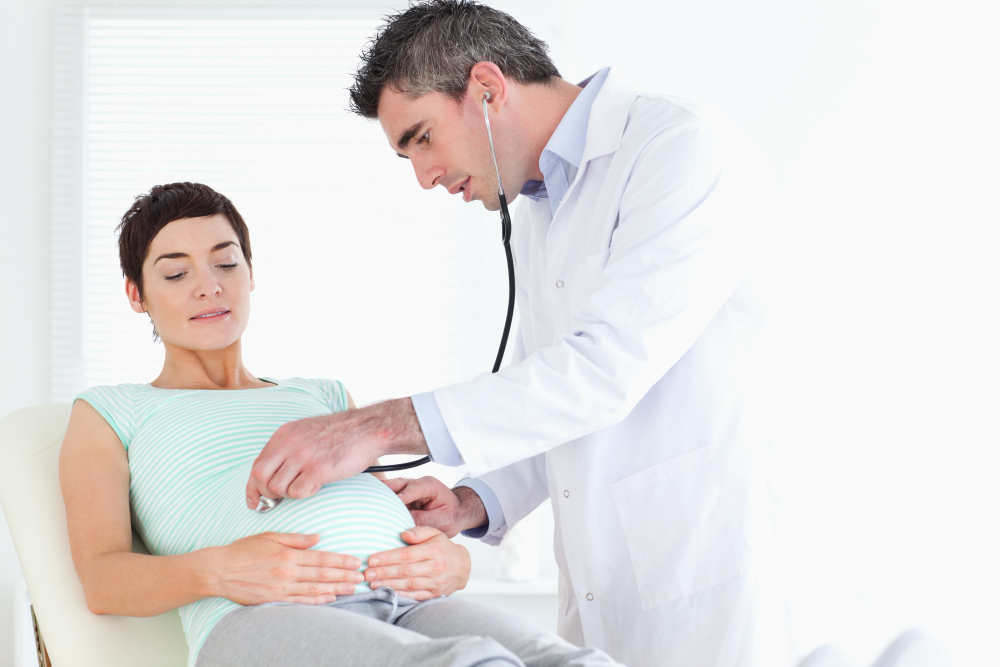
Early prenatal visits are key for first trimester pregnancy care. At your first appointment, your doctor will check your health and confirm your pregnancy. They may also order blood tests and a urine test. These tests help check for anemia, infections, and your blood type. In some cases, you may have an early ultrasound to check your baby’s growth. Your doctor will also discuss your medical history and any medicines you take. Because regular checkups help catch problems early, it is important not to skip them. The CDC and WHO recommend regular prenatal care for a healthy pregnancy.
Nutrition and Lifestyle Tips for the First Trimester
Eating well is very important during early pregnancy. Your body needs extra nutrients to support your baby’s growth. For example, you should eat foods rich in:
Besides eating healthy, you should drink plenty of water. Try to avoid caffeine, alcohol, and smoking. Gentle exercise, like walking, can help you feel better. However, always check with your doctor before starting any new activity. Because your body is changing, rest is also important. Getting enough sleep can help you manage tiredness and stress.
Warning Signs: When to Contact Your Doctor
Most first trimester symptoms are mild, but some signs need quick medical attention. You should call your doctor if you notice:
Although many symptoms are normal, these warning signs could mean a serious problem. Early treatment can help keep you and your baby safe.
Prevention and Self-Care Strategies
Taking care of yourself during the first trimester can help prevent problems. For example, you can:
Because every pregnancy is unique, listen to your body and ask for help when needed. Simple steps can make a big difference in your health and your baby’s development.
Conclusion
The first trimester is a special and sometimes challenging time. With good first trimester pregnancy care, you can support your health and your baby’s growth. Remember, early pregnancy care, regular checkups, and healthy habits are key. If you have questions or notice any warning signs, consult Dr Vandana Mittal for personalized first trimester pregnancy care.