Introduction
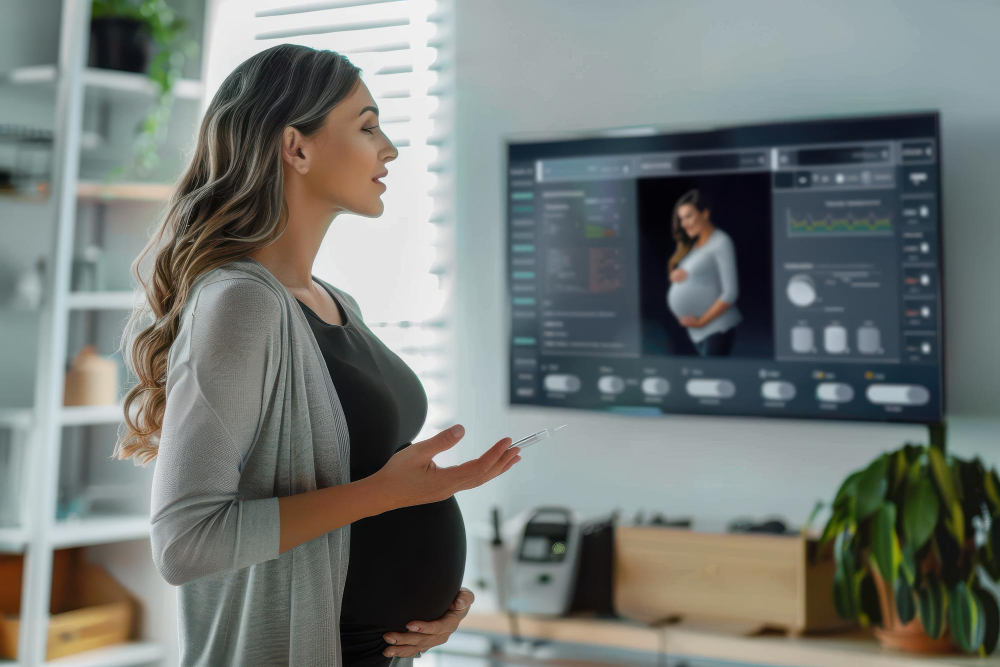
Every pregnancy is unique. However, some women face more risks than others. This is called a high-risk pregnancy. Regular monitoring in high-risk pregnancy is very important. It helps keep both mother and baby safe. With close care, problems can be found early. As a result, doctors can act quickly. This gives the best chance for a healthy outcome.
What is a High-Risk Pregnancy?
A high-risk pregnancy means there is a higher chance of health problems. These can affect the mother, the baby, or both. For example, women with diabetes, high blood pressure, or older age may be at higher risk. Sometimes, problems develop during pregnancy. In either case, extra care is needed.
Because risks are higher, regular checks are very important. This helps catch any changes early.
Why Regular Monitoring is Crucial
Regular monitoring in high-risk pregnancy helps spot problems before they get worse. For instance, doctors can see if the baby is growing well. They can also check if the mother’s health is stable. If anything changes, action can be taken right away. This can prevent serious issues.
Moreover, regular visits give mothers a chance to ask questions. They can share any new symptoms. This helps build trust with the care team. As a result, both mother and baby get the best support.
Common Monitoring Methods
Doctors use many ways to check on high-risk pregnancies. Each method gives important information. Some common monitoring methods include:
Because each pregnancy is different, doctors may suggest other tests as well.
Benefits of Early Detection and Intervention
Early detection is key in high-risk pregnancy care. When problems are found early, doctors can act fast. For example, they may adjust medicines or suggest more rest. Sometimes, they may plan for early delivery if needed. As a result, both mother and baby have a better chance of staying healthy.
According to the CDC and WHO, early care lowers the risk of serious problems. It can prevent complications like preterm birth or low birth weight. Therefore, regular checks are one of the best ways to protect both mother and child.
Tips for Expectant Mothers
Expectant mothers can do many things to help their health. While regular monitoring is vital, daily habits also matter. Here are some tips:
Additionally, good communication with your care team is important. This helps everyone work together for the best outcome.
Prevention and Risk Reduction Strategies
Some risks can be lowered before and during pregnancy. For instance, women can:
Even though not all risks can be removed, these steps can help. Early planning and healthy habits make a big difference.
Conclusion
In summary, regular monitoring in high-risk pregnancy is essential. It helps find problems early and keeps both mother and baby safe. With the right care, many risks can be managed. Consult a specialist Dr Vandana Mittal for personalized guidance.