What is a High-risk Pregnancy?
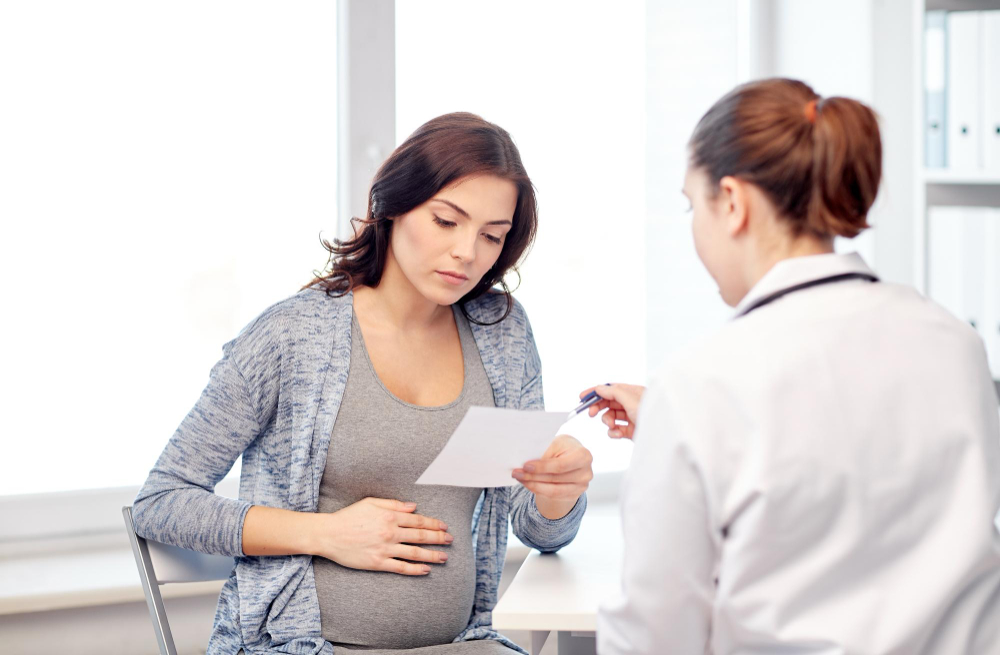
A high-risk pregnancy means there is a greater chance of health problems for the mother, baby, or both. Some women have risk factors before pregnancy. Others develop them during pregnancy. Because of this, high-risk pregnancy care is very important. Early care helps manage pregnancy complications and keeps both mother and baby safe.
Common Causes of High-risk Pregnancy
Many things can make a pregnancy high-risk. Some are present before pregnancy, while others develop later. Knowing the causes helps in managing high-risk pregnancy better. Here are some common causes:
Symptoms and Warning Signs
It is important to watch for warning signs during pregnancy. Early action can prevent serious problems. If you notice any of these symptoms, contact your doctor right away:
Diagnosis and Monitoring
Doctors use special tests to check for high-risk pregnancy. Early diagnosis helps in managing pregnancy complications. Some common ways to monitor high-risk pregnancy include:
In some regions, access to these tests may vary. Always ask your doctor about the best care options in your area.
Treatment and Management Options
Managing high-risk pregnancy often needs extra care. Treatment depends on the cause and risk factors for high-risk pregnancy. Some common management options include:
Your doctor will create a plan that fits your needs. Following this plan helps keep you and your baby safe.
Lifestyle Tips for Expectant Mothers
Healthy habits can make a big difference during high-risk pregnancy. Here are some tips to support your health:
Additionally, managing stress and asking for help from family or friends can also support your well-being.
Prevention and Risk Reduction
While not all high-risk pregnancies can be prevented, you can lower your risk. Here are some ways to reduce risk factors for high-risk pregnancy:
Early planning and regular care can help prevent many pregnancy complications.
When to Seek Medical Help
Sometimes, problems can happen quickly. Therefore, it is important to know when to get help. Contact your doctor or go to the hospital if you have:
Quick action can save lives. Never wait if you feel something is wrong.
For more information, you can visit trusted sources like the World Health Organization (WHO) or the Centers for Disease Control and Prevention (CDC).
Consult a qualified obstetrician or gynecologist Dr Vandana Mittal for personalized advice on high-risk pregnancy.