What Is Menopause?
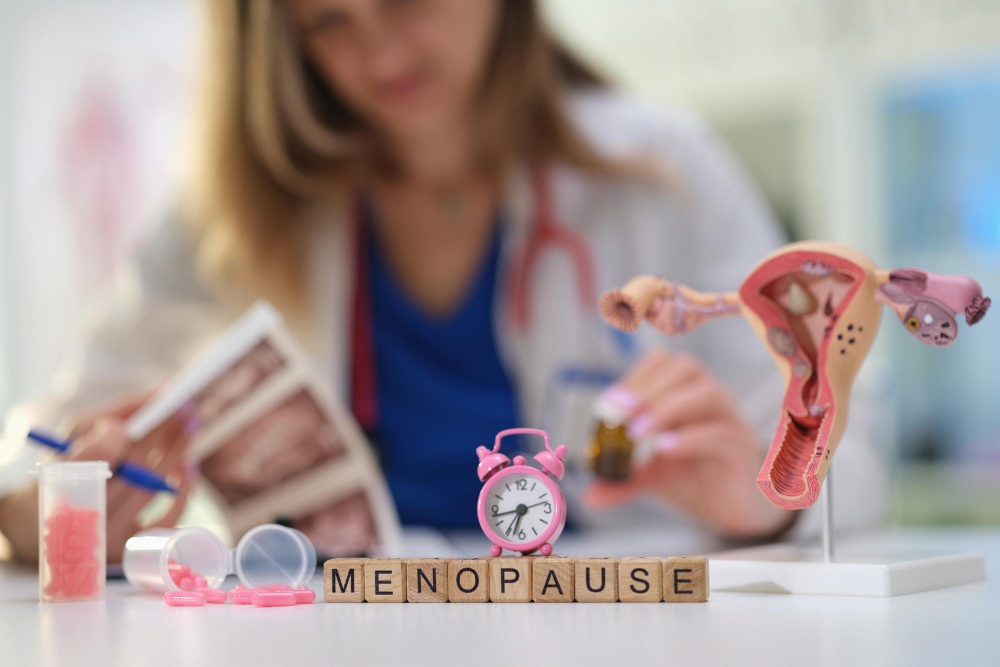
Menopause care is important for women as they reach a new stage in life. Menopause marks the end of monthly periods. Usually, it happens between ages 45 and 55. However, some women may experience it earlier or later. Menopause is a natural part of aging. During this time, the body makes less estrogen and progesterone. These are hormones that control the menstrual cycle. Once a woman has not had a period for 12 months, she is considered to be in menopause. For many women, this stage brings both physical and emotional changes.
Common Symptoms of Menopause
Many women notice different symptoms as menopause begins. While some may have mild changes, others may feel more discomfort. For example, symptoms can include:
In addition, some women may notice weight gain or joint pain. Each woman’s experience is unique. Therefore, symptoms can be different for everyone.
Causes and Risk Factors
Menopause happens as the ovaries slow down hormone production. This is a normal part of aging. However, some factors can affect when menopause starts. For instance, smoking may cause earlier menopause. Family history also plays a role. If your mother or sister had early menopause, you might too. Certain medical treatments, like chemotherapy or surgery to remove the ovaries, can also cause menopause. In rare cases, some health conditions may lead to early menopause. Knowing your risk factors can help you prepare for changes ahead.
Diagnosis of Menopause
Doctors usually diagnose menopause based on symptoms and age. If you have not had a period for 12 months, menopause is likely. Sometimes, doctors may order blood tests. These tests check hormone levels, such as follicle-stimulating hormone (FSH) and estrogen. However, blood tests are not always needed. Your doctor may also ask about your medical history and symptoms. This helps rule out other causes for missed periods or discomfort. Early diagnosis can help you start menopause care sooner.
Managing Menopause Symptoms
There are many ways to manage menopause symptoms. Some women find relief with lifestyle changes. Others may need medical treatment. For example, options include:
Before starting any treatment, talk with your doctor. Some treatments may not be safe for everyone.
Health Changes During Menopause
Menopause brings changes that can affect long-term health. For instance, lower estrogen levels may increase the risk of certain conditions. These include:
Because of these risks, regular check-ups are important. Early detection of health changes during menopause can help prevent serious problems. Your doctor may suggest bone density tests or cholesterol checks as part of menopause care.
Lifestyle Tips for Menopause Care
Healthy habits can make menopause easier to manage. For example, you can:
In addition, keeping a regular sleep schedule can help with insomnia. These menopause management tips can improve your quality of life.
Prevention and Long-Term Health Considerations
While menopause is natural, you can take steps to protect your health. For instance, regular screenings for breast, cervical, and colon cancer are important. Getting enough calcium and vitamin D helps keep bones strong. Vaccinations, such as the flu shot, are also recommended. Furthermore, staying active and maintaining a healthy weight lowers the risk of heart disease.
Experiencing menopause-related changes or symptoms?
Consult Dr. Vandana Mittal for expert guidance and personalised menopause care.